
We join forces with Fundación Juan XXIII to promote inclusion and urban design
Fundación Juan XXIII, an organisation that has been working for 60 years to promote the social and employment inclusion of people in situations of psychosocial vulnerability, particularly people with intellectual disabilities and/or mental health conditions, and Escofet have signed a collaboration agreement to jointly promote projects that incorporate accessibility, sustainability and social innovation criteria into the development of urban spaces, while supporting training, labour market integration and the creation of employment opportunities for people with disabilities.
The collaboration is based on a shared vision: moving towards public spaces that take into account the diversity of people. To this end, both organisations will explore different areas of collaboration that combine Escofet’s expertise in the design and manufacture of solutions for public spaces with Fundación Juan XXIII’s knowledge and experience in inclusion, accessibility and employment.
These areas include incorporating cognitive accessibility through the development of content, training materials and awareness-raising initiatives; collaborating on the analysis and improvement of new product developments; involving people with disabilities in operational phases such as installation, deployment and maintenance; and exploring the possibility of extending these models to projects involving property developers and real estate assets.
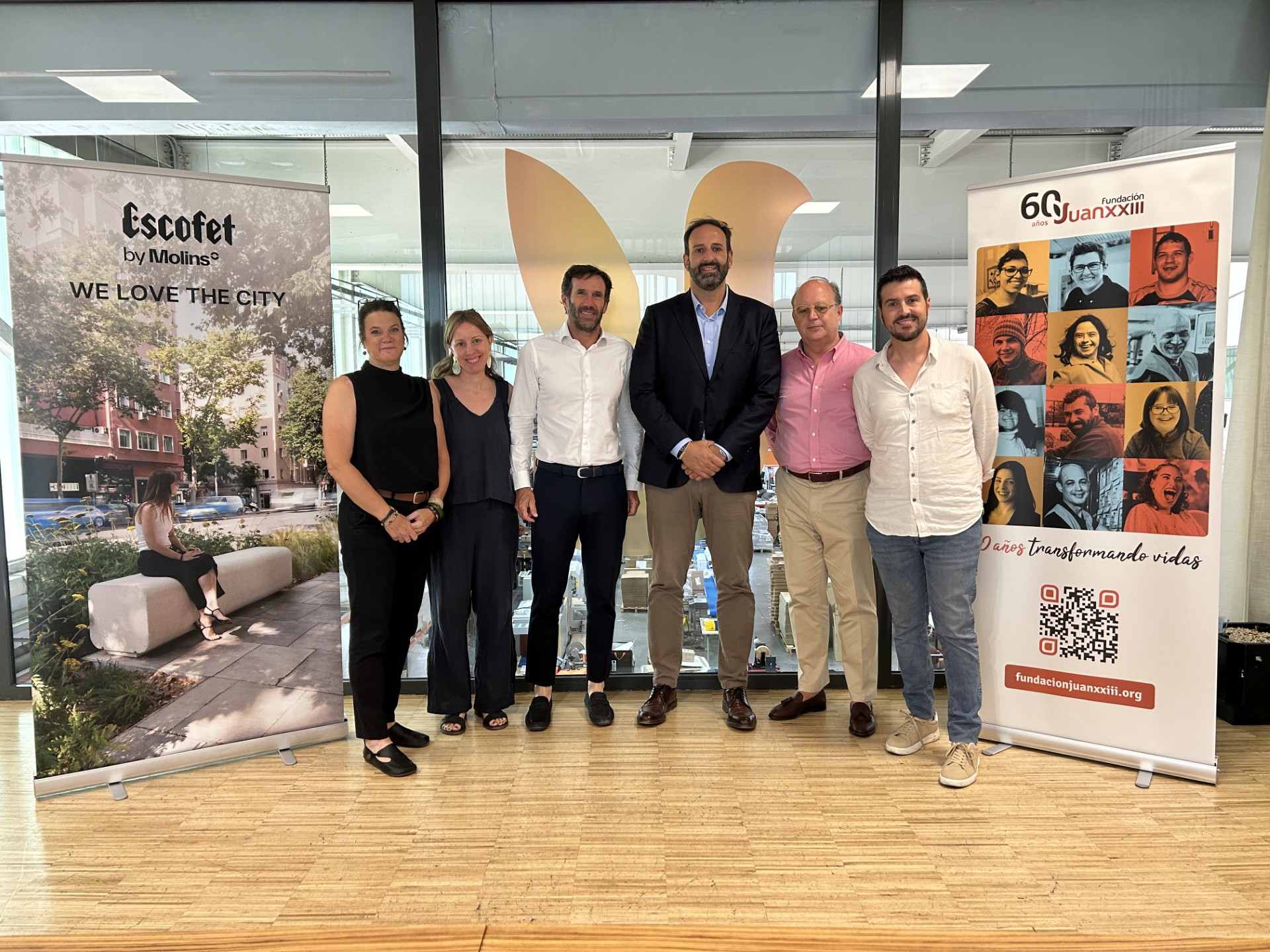
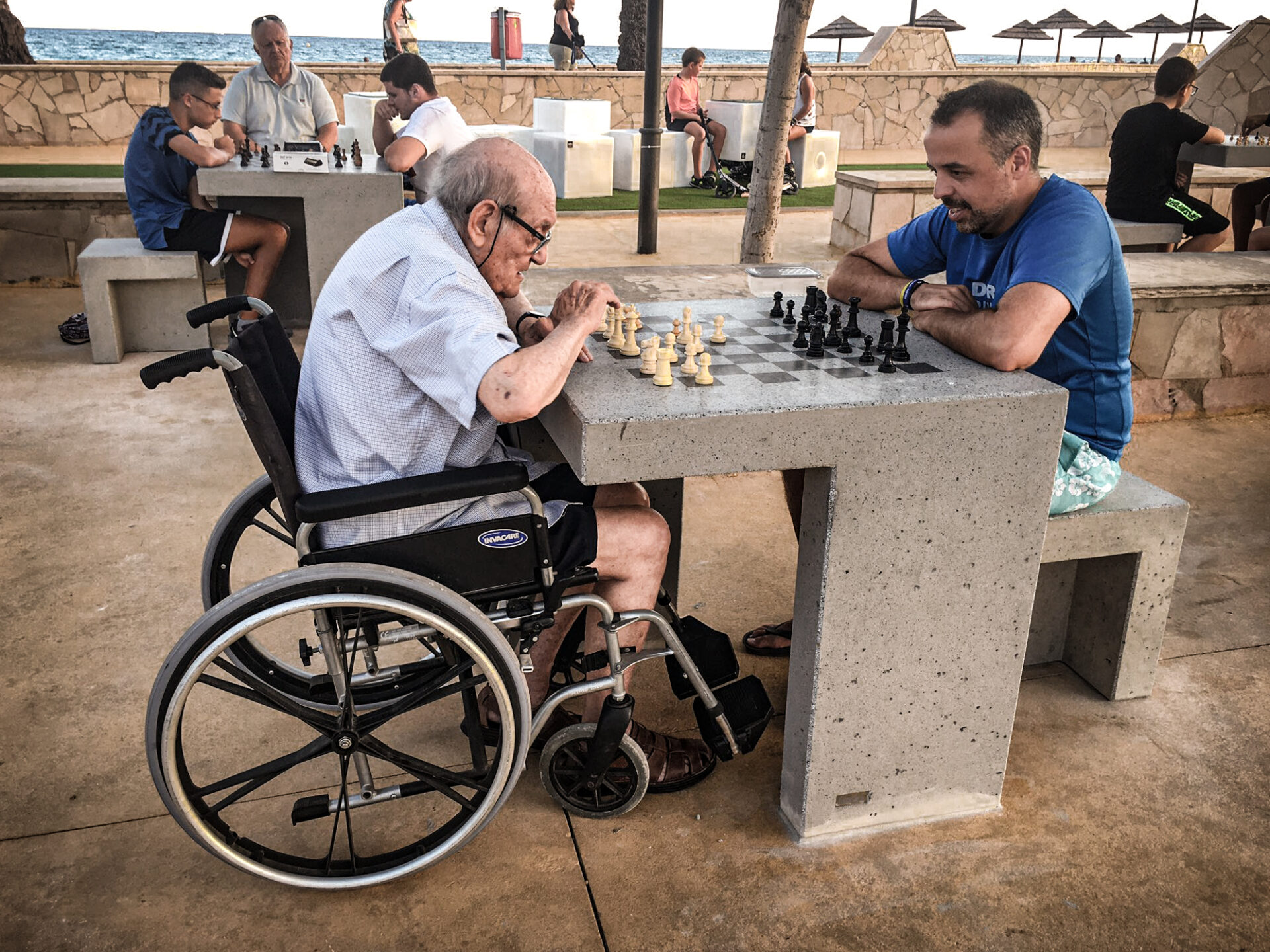
This collaboration aims to ensure that inclusion is present both in solutions designed to improve the experience of public spaces and in the processes involved in their development. In this regard, the agreement provides for the participation of people with disabilities in different initiatives that may be launched, with the aim of contributing to the creation of inclusive employment opportunities and supporting their access to the labour market.
Universal accessibility is becoming increasingly important in the planning of environments and services. According to the World Health Organization (WHO), around 16% of the world’s population lives with a disability, highlighting the need to continue developing environments that respond to the needs of a diverse society.