History
Building future since 1886The company’s development is marked by two elements that have been converted into icons of our identity: concrete and Barcelona.
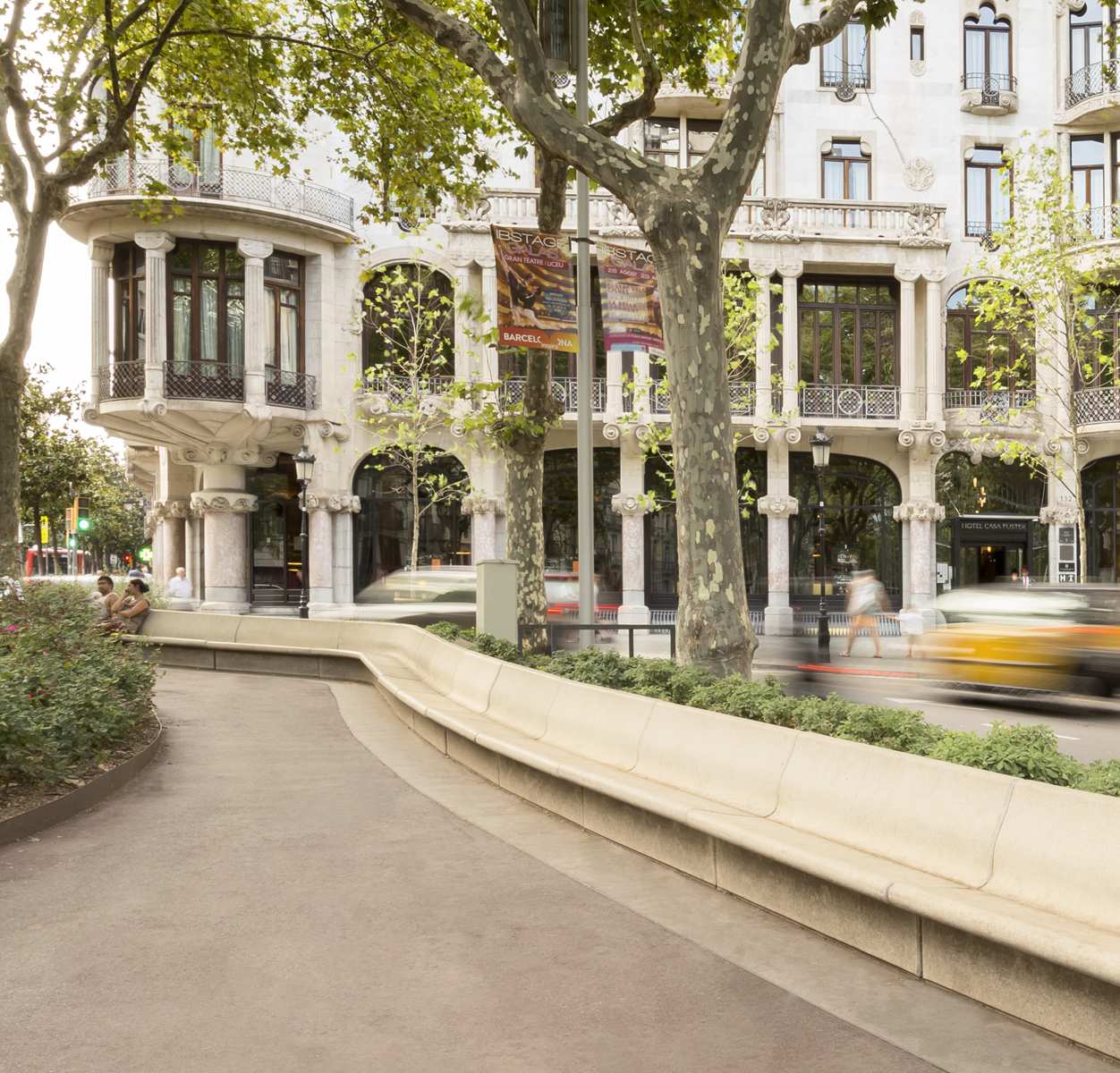
For more than a century, Escofet has been an international benchmark in landscape architecture thanks to its mastery of concrete and its capacity to transform it and turn it into the skin of the city.

Chronology
1886Company foundation
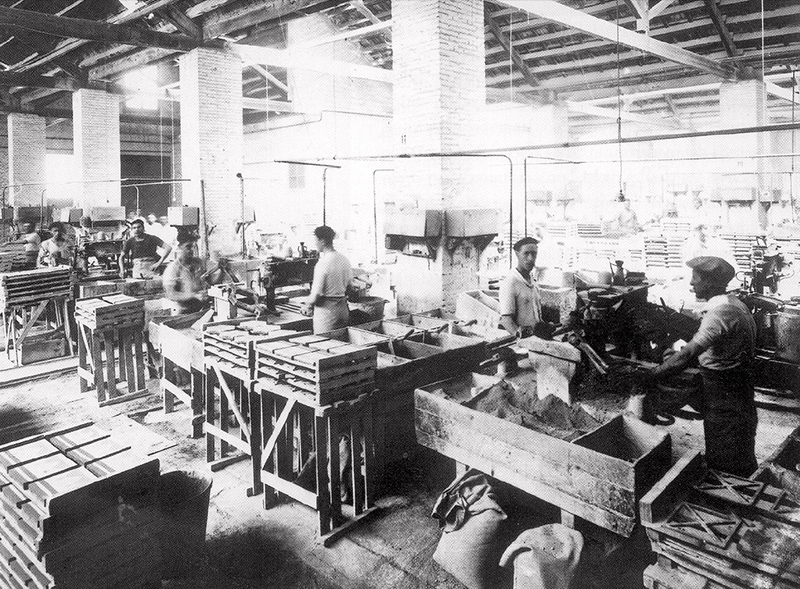
Paver manufacturer Escofet y Fortuny, Sociedad Colectiva, founded by Jaume Escofet. Later became Escofet y Tejero. Awarded the 1888 Barcelona World Trade Fair Gold Medal.
1904 Modernist hydraulic tiles
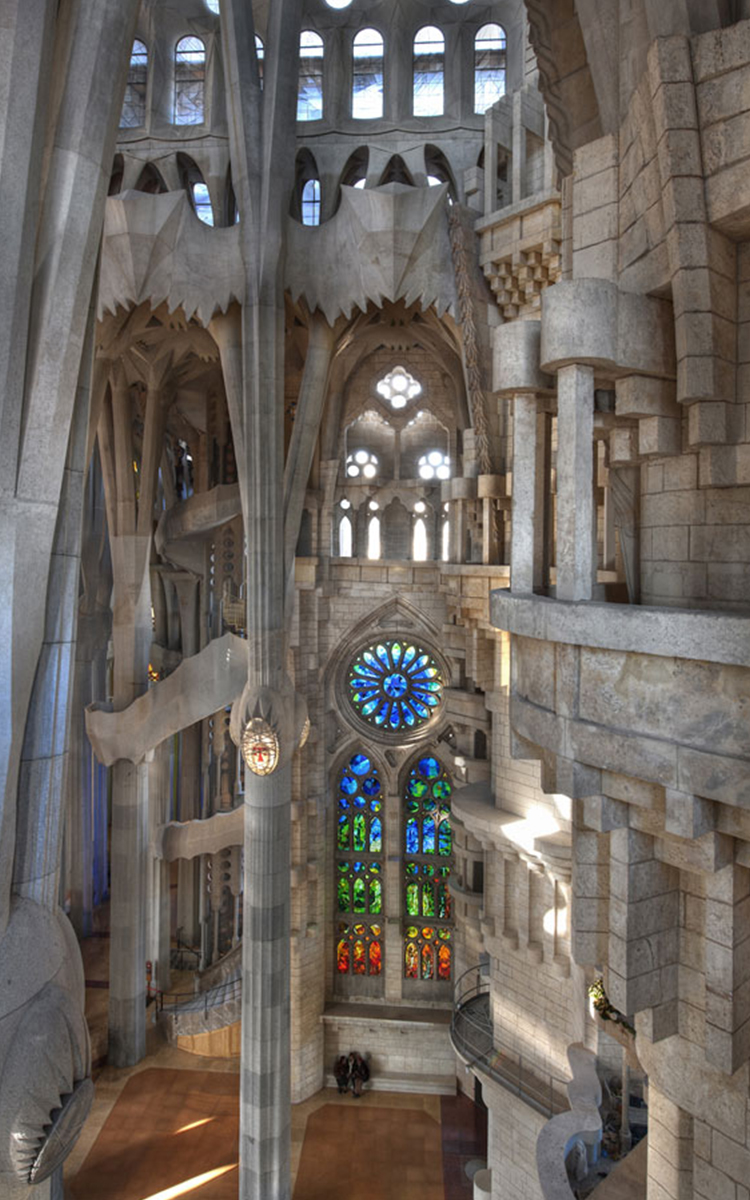
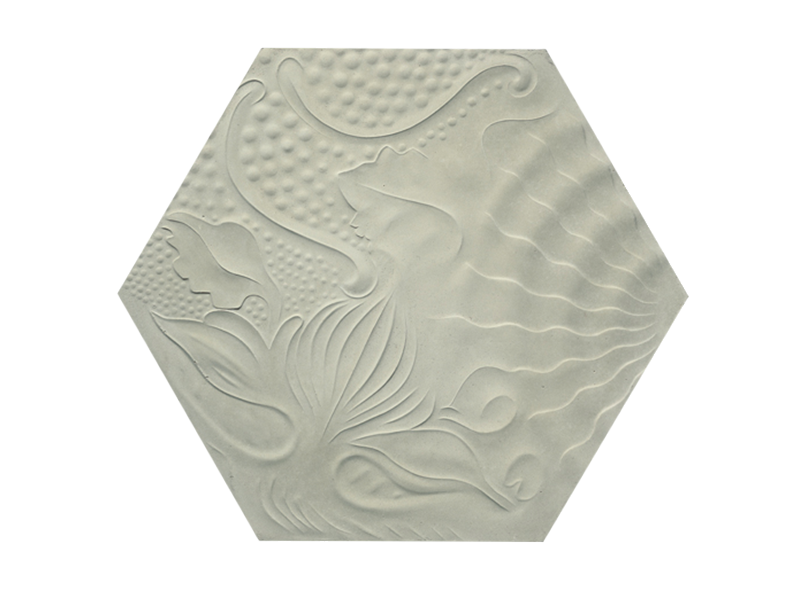
Catalan modernism hydraulic tiles manufactured by Escofet in conjunction with renowned architects like Lluís Domènech i Montaner and Alexandre de Riquer. The most outstanding example is Antoni Gaudí's Hexagonal Tile for the Batlló House building interiors. An adaptation of this model was used 90 years later to pave Barcelona's Paseo de Gracia.
1906 Conquest of urban space
Escofet enters the streetscape sector with the production of ‘panots’ for Barcelona's pedestrian pavements, marking the start of its close relationship with the city's public spaces.
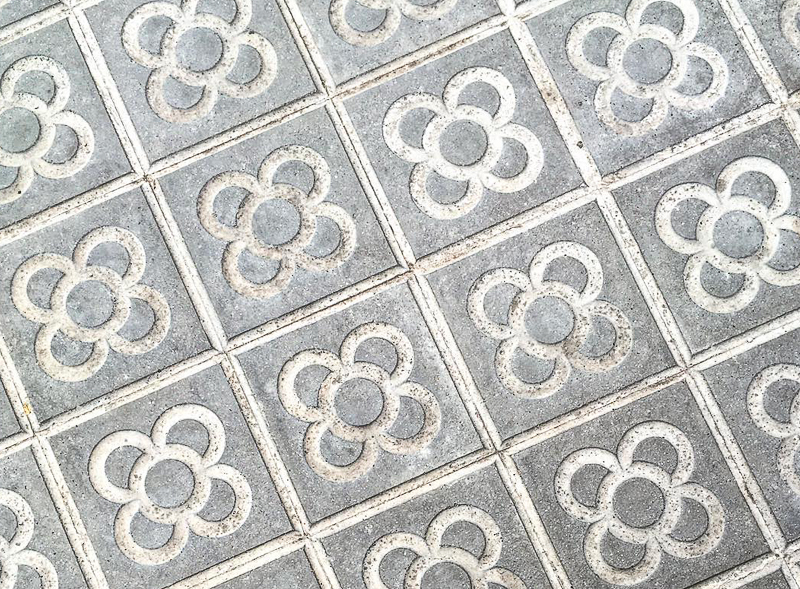
1961 Concrete changes the face of the city
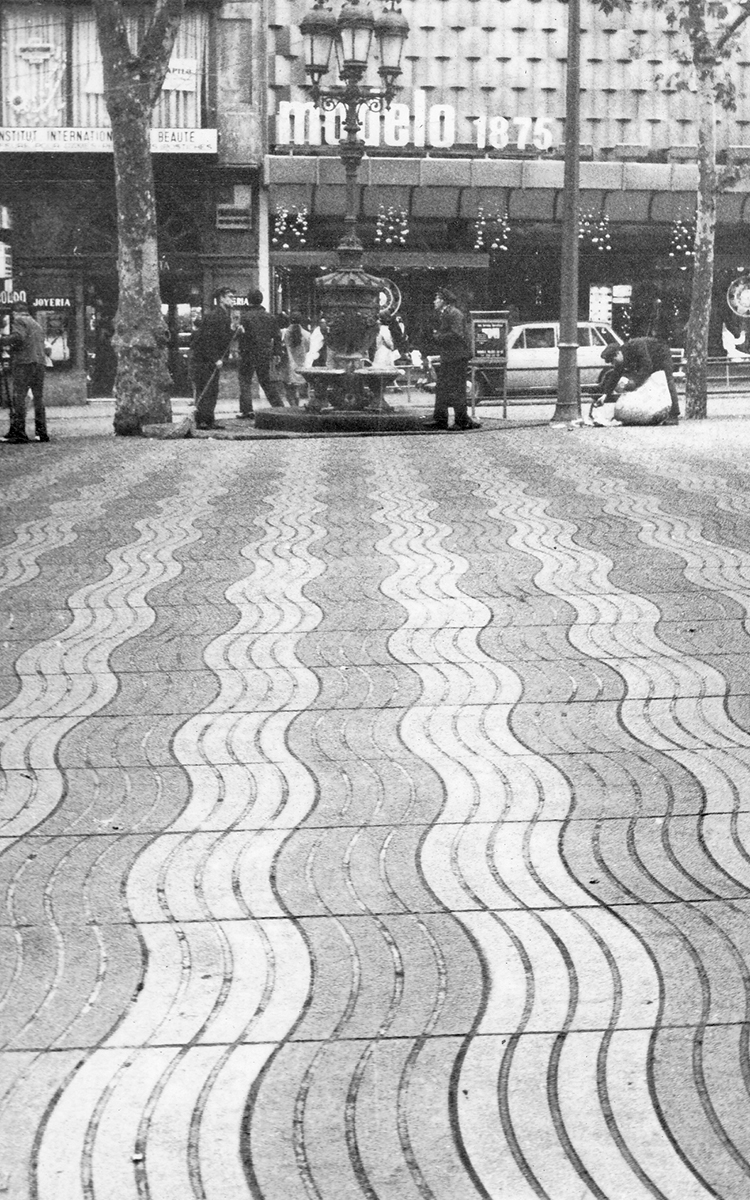
Escofet brings vibropressed cast stone to Spain with the production several automatically produced models that prove ideal for indoor and outdoor use. The company's presence in Barcelona is consolidated with several high-profile pavements including the Ramblas, designed by Adolfo Florensa in 1968.
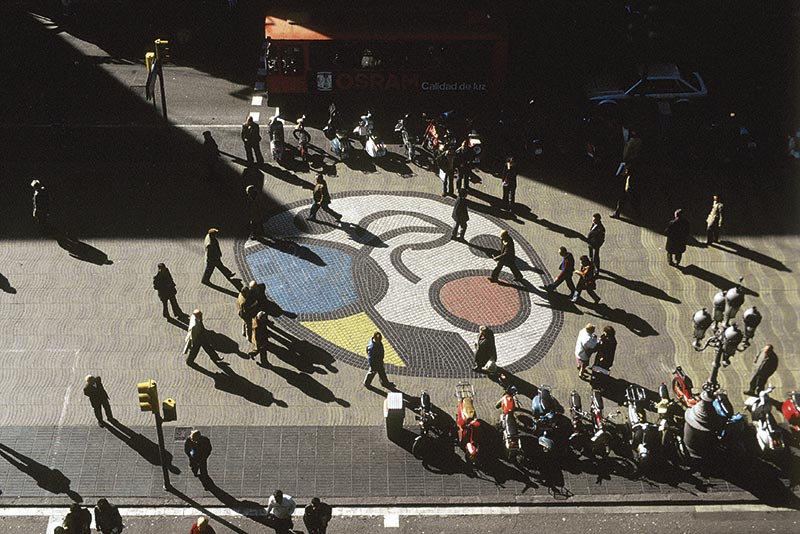
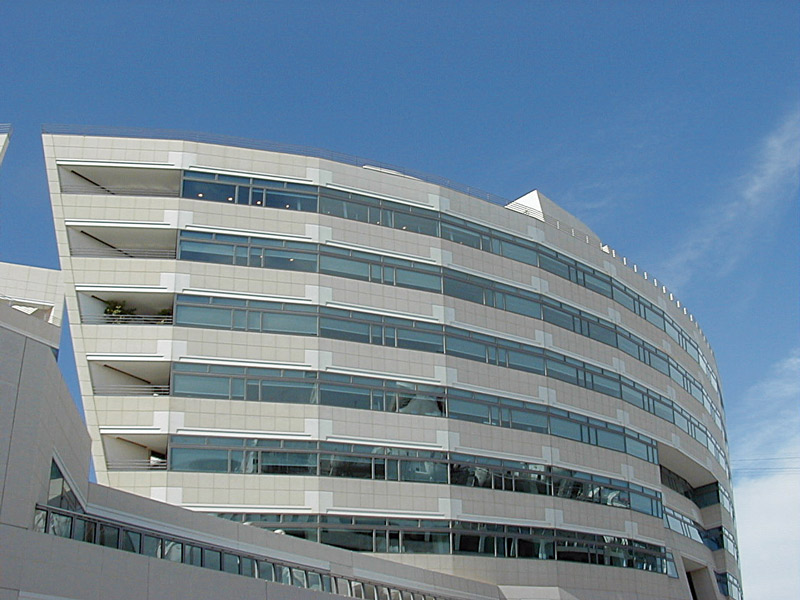
1974 Facades open up to new technology
Escofet enters the building sector with its reinforced cast stone wall panels, generating a series of design and technical skills for prefabricated construction components.
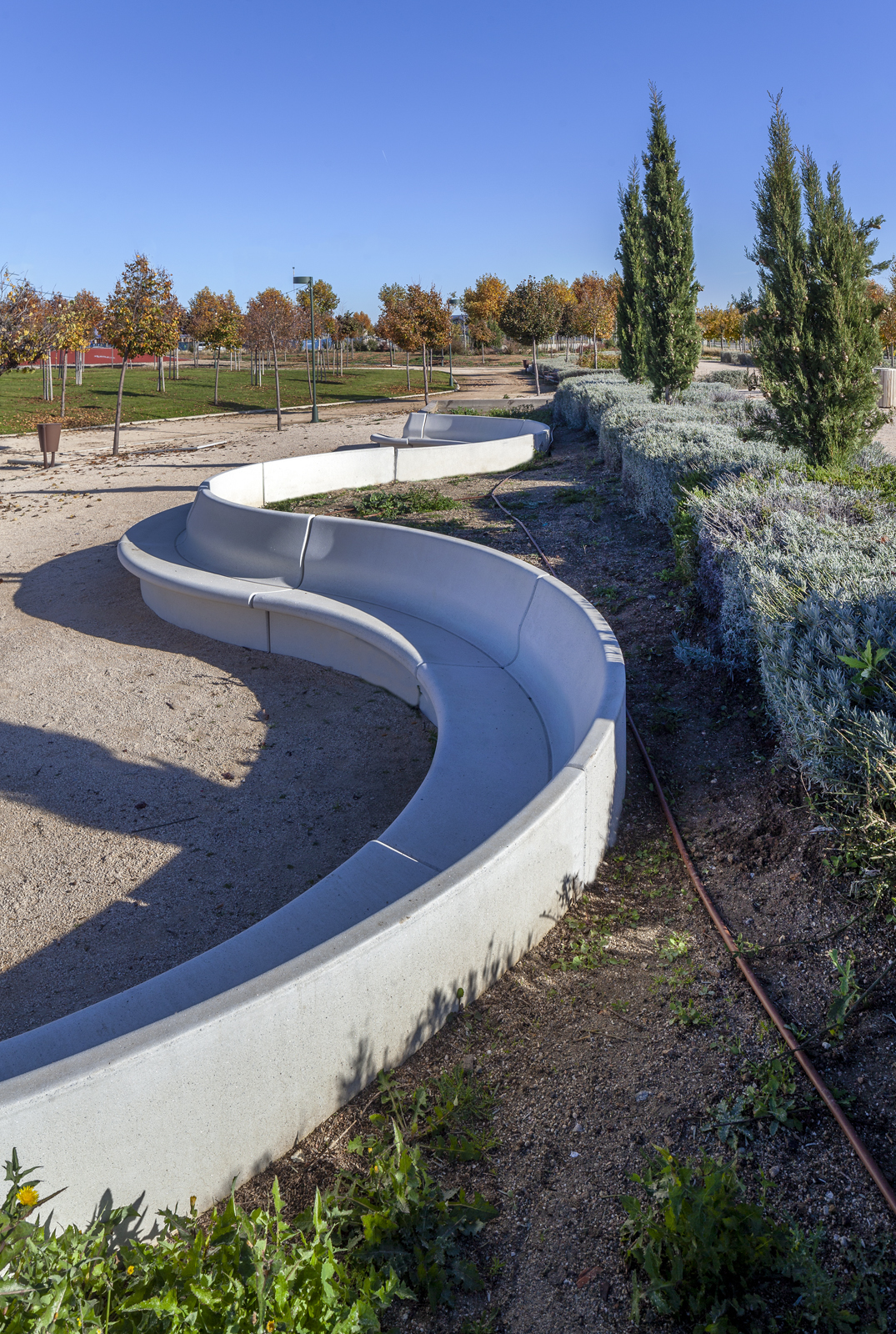
1979 Street furniture becomes a mirror of the city
Escofet's range of street furniture starts with the collection of modular benches by Ramón Benedito and Josep Lluscà. In 1987, the range is expanded with a new collection by leading Spanish architects, co-ordinated by Xavier Güell: Jaume Bach, Gabi Mora, Óscar Tusquets, Elías Torres, José Antonio Martínez-Lapeña, Josep Lluís Canosa, Albert Viaplana and Hélio Piñón. They are soon joined by other teams including Enric Sòria and Jordi Garcés, Antonio Cruz and Antonio Ortiz.
1992 Great projects, great challenges
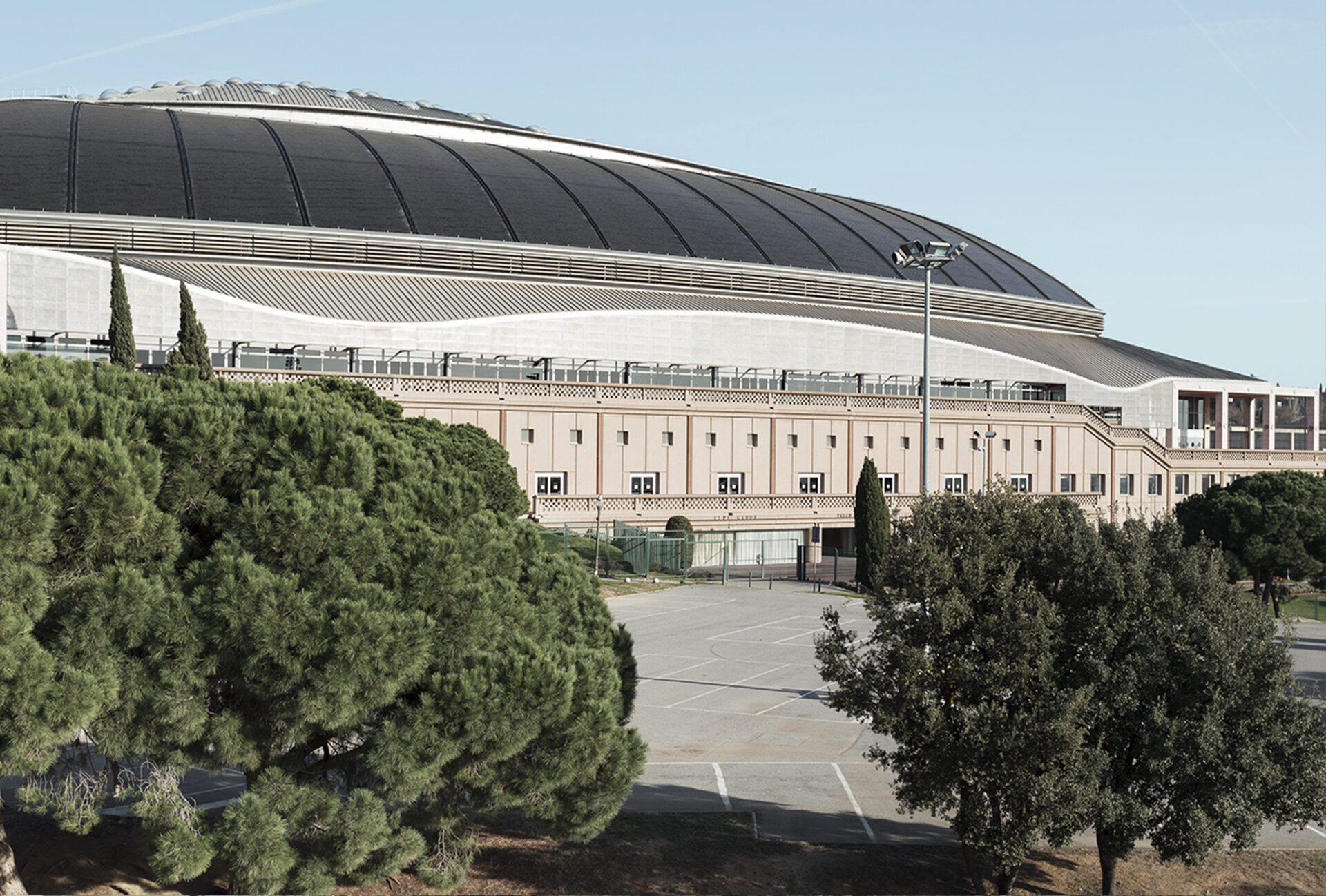
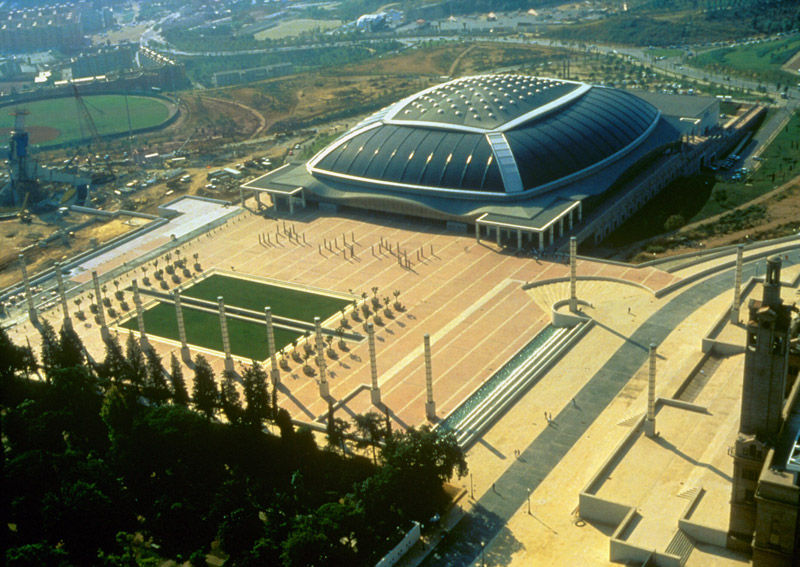
Escofet's participation in large-scale projects intensifies during the works for the Barcelona 92 Olympic Games: Palau Sant Jordi by Arata Izosaki, the Olympic Ring by Correa, Milà, Margarit and Buixadé, Palau Nacional by Gae Aulenti, along with the paving and street furniture installed in the city's newly reurbanized zones. Escofet is awarded the National Design Prize for its consistent historic background.
1996 Custom architectonic elements
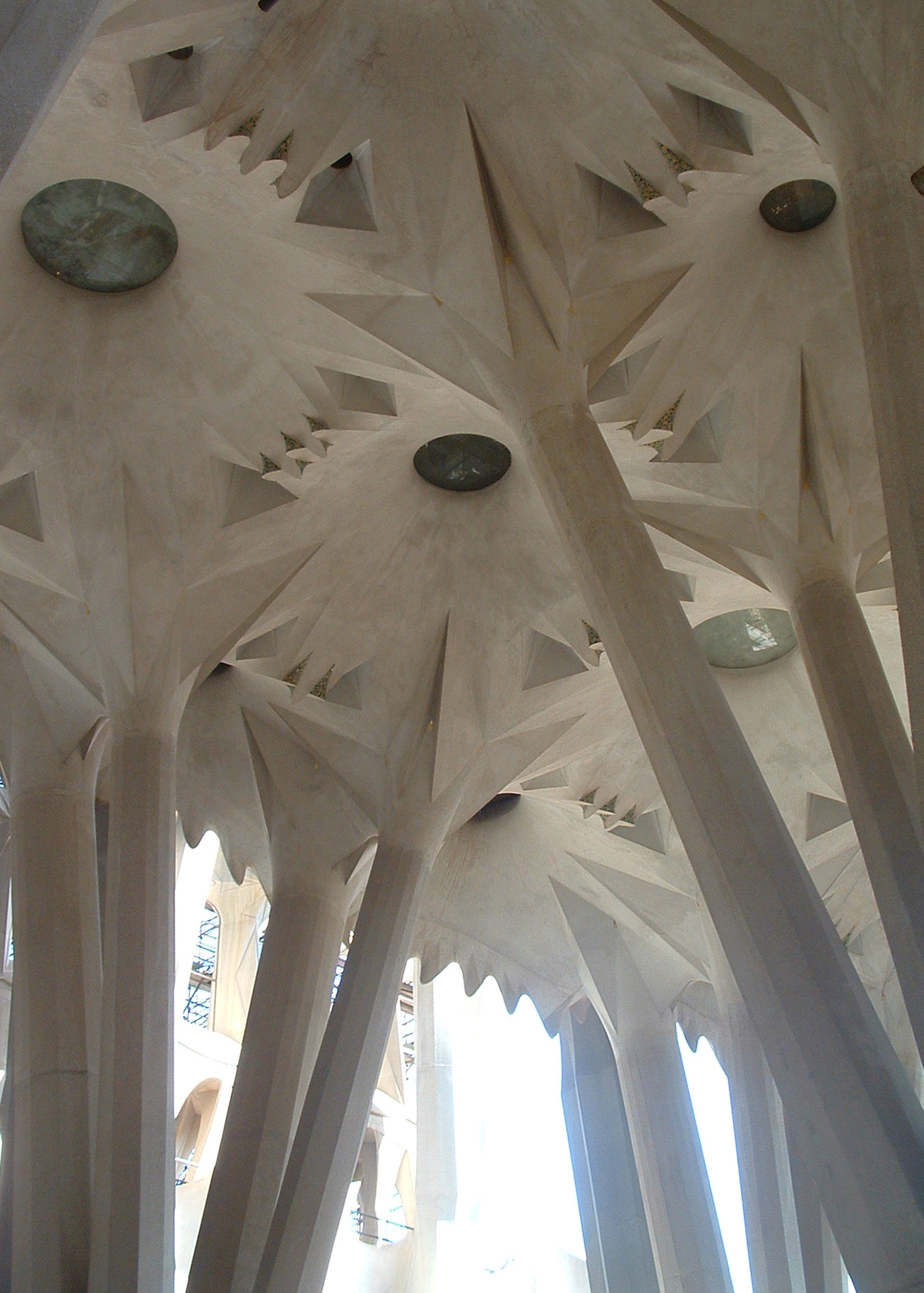
Escofet’s wide experience in the development of façade enclosure projects in conjunction with architects and designers allows the firm to offer you all its support as a specialised consultant in executing highly complex projects and provide custom responses that endorse the capacity of development.
2000 Escofet and design: an inexhaustible encounter
Escofet's involvement with design and new disciplines such as landscaping is awarded the Adi-FAD Golden Delta Award for Lungomare, by Enric Miralles and Benedetta Tagliabue.
2004 Presence and character in new streetscapes
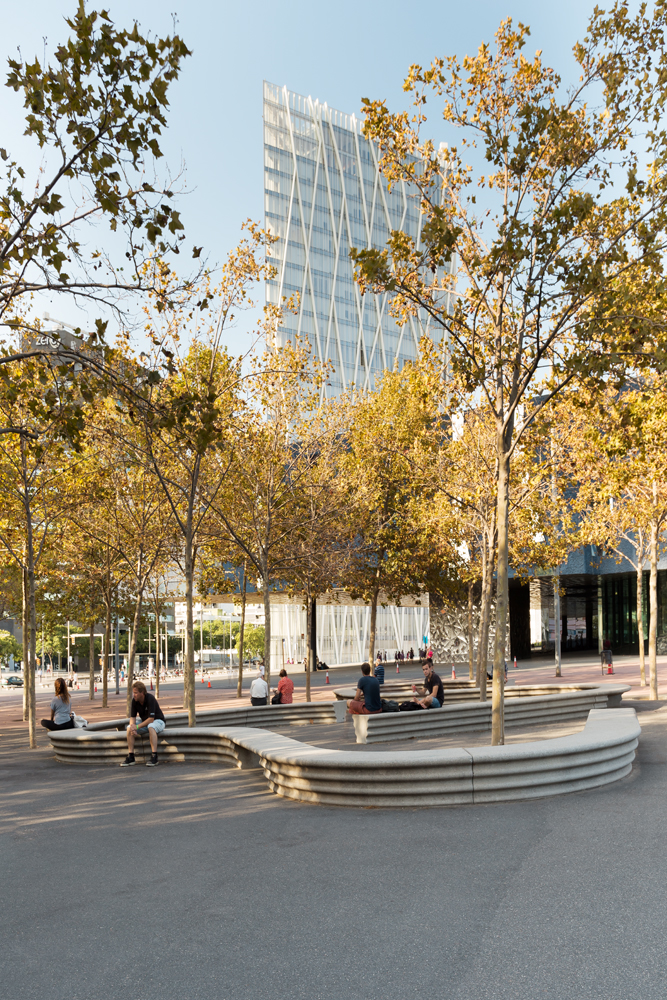
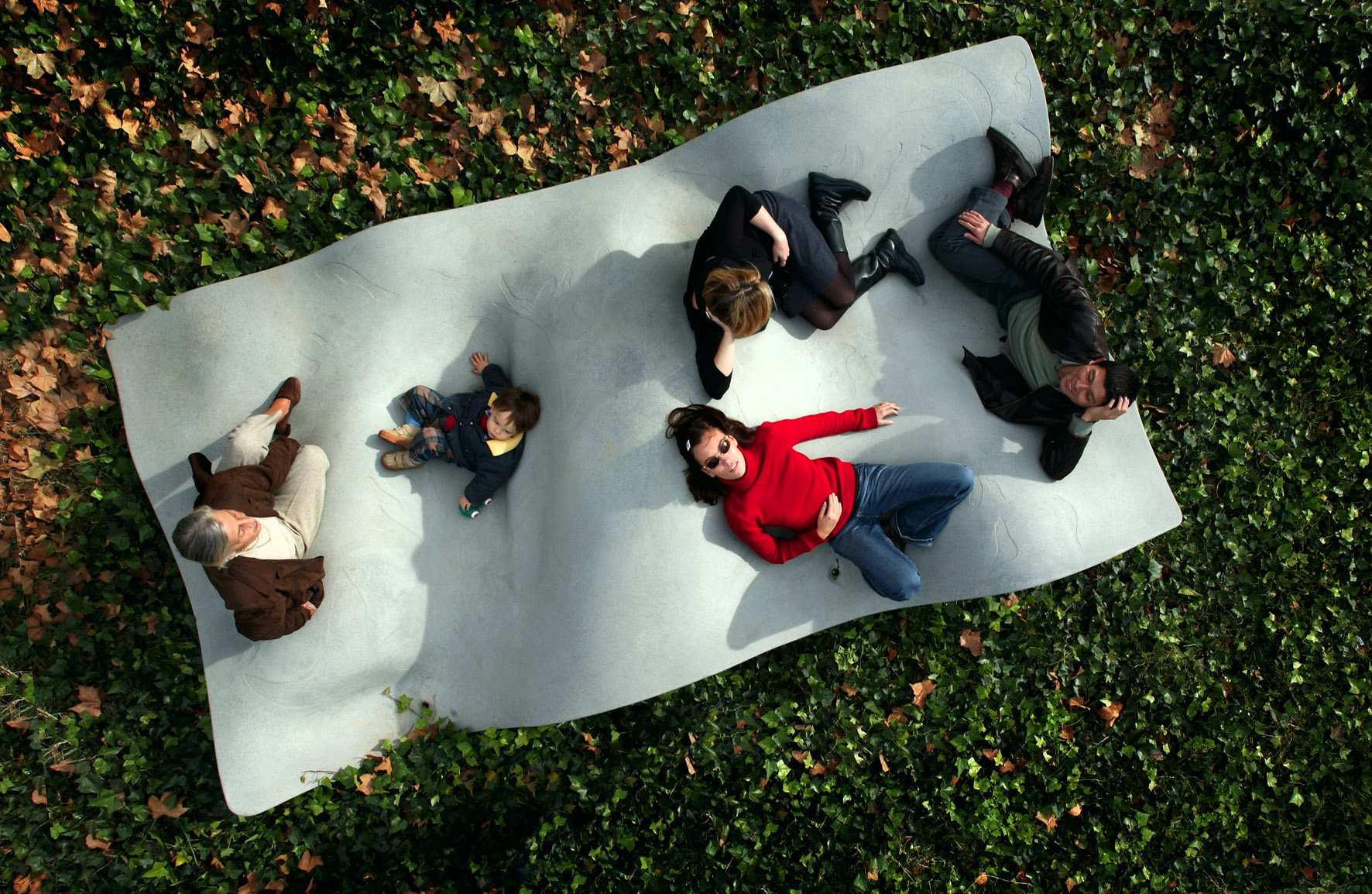
Escofet's involvement with new streetscapes comes to the fore in the Barcelona Culture Forum 2004, with landscape features like Hebi and all the street furniture for the Forum Esplanade by Elías Torres and J. Antonio Martínez-Lapeña.
2011 A new generation: the metaphor of liquid concrete
Bending, twisting and reducing surfaces to slender sheets, incompatible with the rigid nature of concrete until very recently, is now possible thanks to this Slimconcrete® UHPC concrete new technology.

2013 Multimaterial elements take central stage
Every context needs a unique approach, that's why therefore Escofet also works with a wide range of materials such as cast steel and aluminium, stainless steel, cor-ten steel, painted steel, FSC®-certified woods, glass and roto-moulded plastic, etc.
2014 Revolution in Architectural Concrete
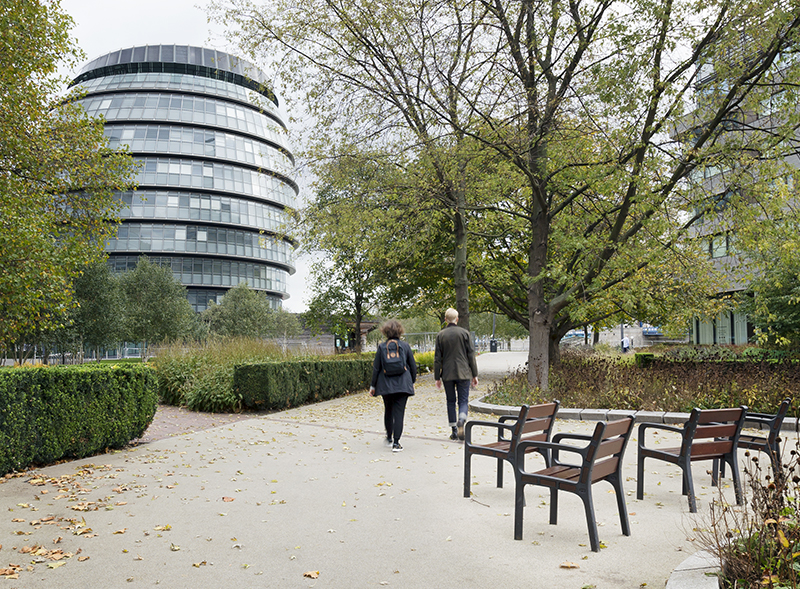
As a pioneering company that manufactures precast products for a wide range of sectors, Escofet has kept up with this revolution and joined this race to develop its own UHPC technology, for use in the field of Architectural Concrete.
2017 Consolidation of our Lighting division
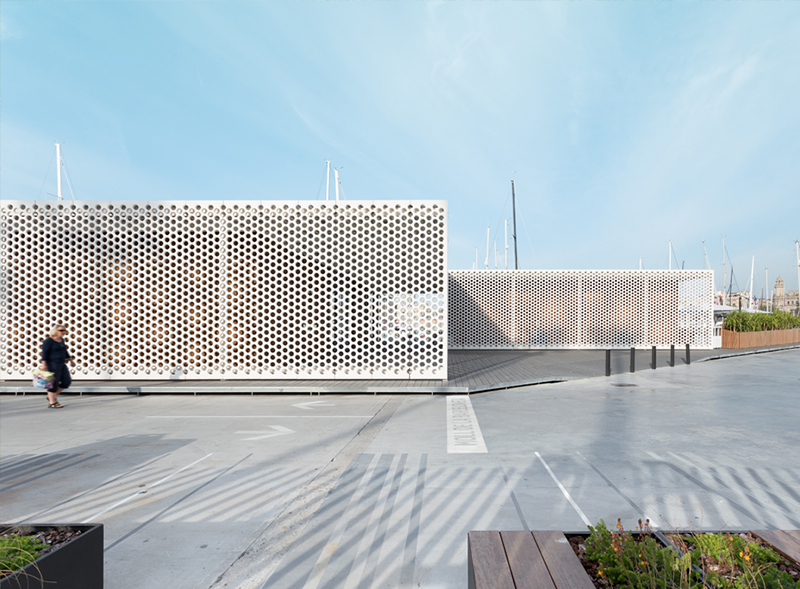
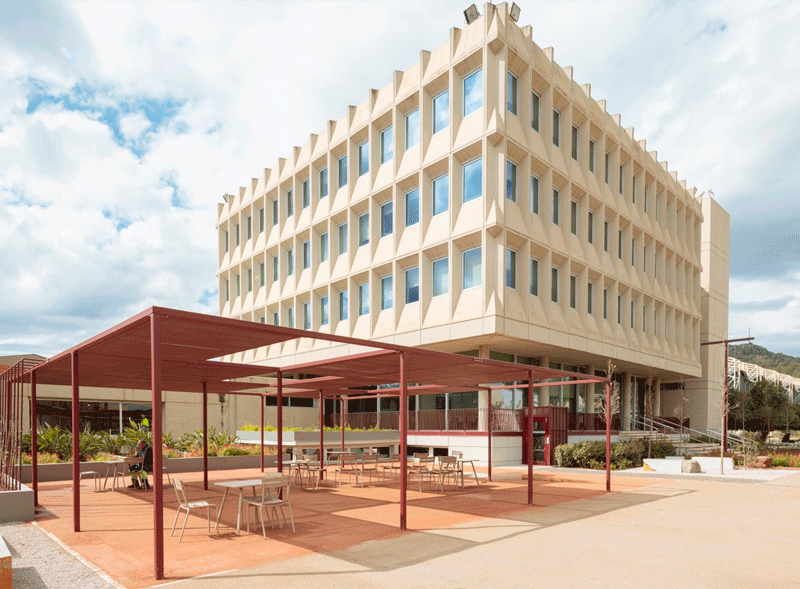
Escofet, synonymous of quality and precision in technological and industrial development, consolidates its Lighting division as a new asset to diversify our range of projects and products for public space, landscape and architecture fields.

2020 Escofet joins Molins
Escofet becomes part of the Molins, thus reinforcing its leading position in the sector of design and industrialization of urban and architectural concrete elements. This incorporation will accelerate the growth of the company and enhance the commercial and industrial synergies.
Evolution of our logo
Josep Pascó1905
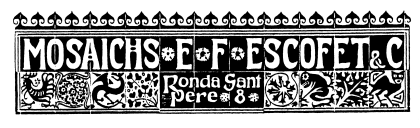
Leo Zeller1932

Alexandre Cirici1960

América Sánchez1974

América Sánchez1992

Firma Agency2024